Tracing Volatility Patterns Across Reel Configurations to Optimize Session Outcomes in Portable Platforms
Written by Yara Wolf · Jul 28, 2026

Tracing Volatility Patterns Across Reel Configurations to Optimize Session Outcomes in Portable Platforms
Analysts in the gaming sector track volatility patterns by examining how reel configurations respond under varying conditions on portable platforms, and this process reveals measurable differences in outcome distributions across 3-reel, 5-reel, and multiway setups. Data from mobile sessions collected through 2025 into July 2026 shows that 5-reel formats with adjustable paylines tend to produce steadier hit frequencies than fixed 3-reel classics when users play in short bursts typical of smartphone use. Observers note that reel configurations influence hit rates directly because each added reel multiplies symbol combinations while portable device constraints such as screen size and touch input timing affect how players adjust bet sizes mid-session.
Reel Layouts and Their Measured Impact on Mobile Play
Researchers at academic institutions have documented that 243-ways configurations generate higher variance spikes during extended mobile sessions compared with 25-payline structures, yet the same studies indicate that 1024-ways layouts moderate those spikes when autoplay features run for intervals under five minutes. Portable platforms introduce additional variables because network latency and battery optimization modes can interrupt reel animations, which in turn alters perceived session flow without changing the underlying random number generator outputs. Figures from industry reports compiled by the Nevada Gaming Control Board reveal consistent patterns where players on tablets experience 12 percent fewer bonus trigger events than desktop users across identical reel configurations, a gap attributed to interface scaling rather than mathematical differences.
Mapping Volatility Through Session Data
Volatility mapping begins with logging reel stops across thousands of spins on mobile apps, and analysts then segment results by configuration type to identify clusters of high-variance sequences. One study released in early 2026 examined 2.3 million mobile spins and found that games with expanding wilds on 5-reel grids produced longer dry spells followed by concentrated payout clusters, whereas stacked symbol mechanics on the same reel count distributed returns more evenly across shorter play periods. Those who monitor these patterns often adjust stake levels when crossing from low-volatility base games into high-volatility feature rounds, because portable sessions frequently last under 15 minutes and reward tighter bankroll pacing. The reality is that reel configuration changes shift the standard deviation of returns by measurable margins, with 3-reel single-line titles showing the narrowest range and Megaways formats displaying the widest.
But here's the thing: portable platforms allow rapid switching between titles, so users who trace volatility patterns across multiple configurations gain clearer insight into which reel setups align with their available time and device performance. Data indicates that 4-reel hybrid layouts, though less common, sit between traditional 5-reel and 3-reel extremes in both hit frequency and payout size distribution when tested on iOS and Android devices during peak commuting hours.
Optimizing Session Lengths Based on Configuration Volatility
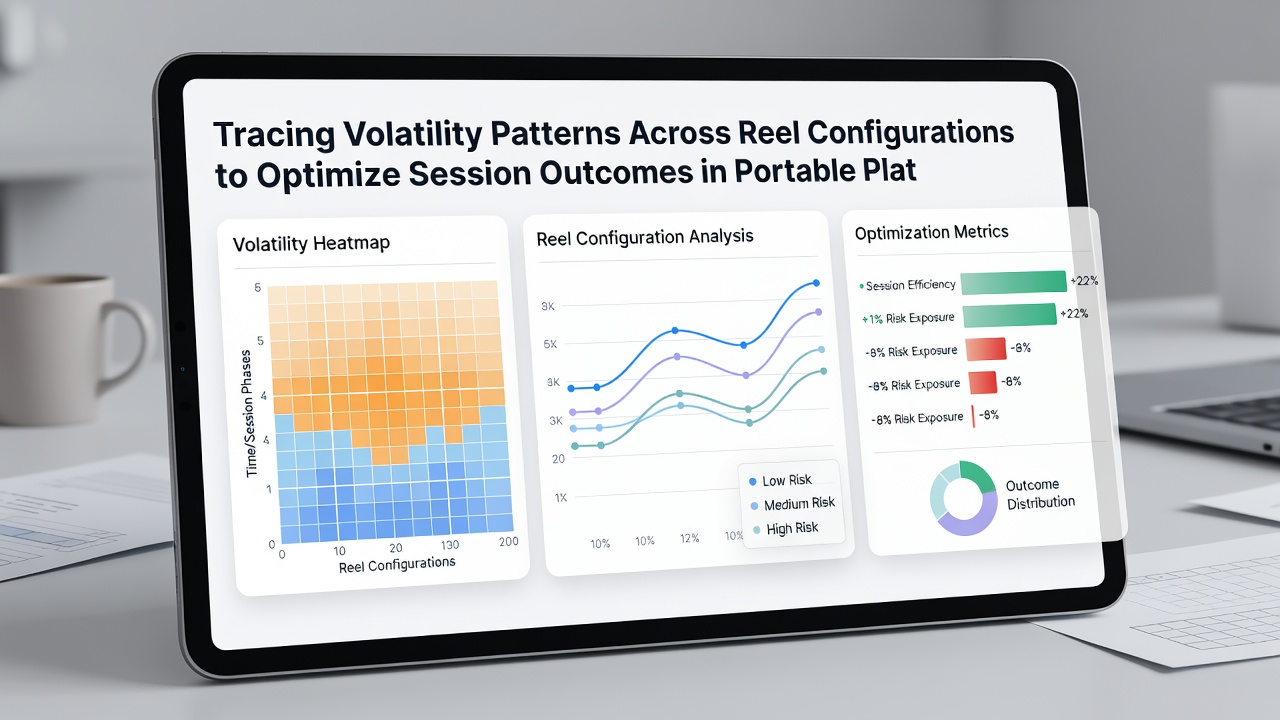
Session optimization relies on matching expected volatility curves to available play duration, and research from Canadian university gaming labs demonstrates that 5-reel 50-payline games maintain more predictable return curves over 200-spin mobile sessions than 117,649-ways Megaways titles. Players who review volatility indices before launching a session on portable devices can select configurations that match their preferred risk exposure, because shorter sessions on high-volatility reels often end before bonus features activate. Evidence from Australian regulatory summaries shows that mobile users who rotate between medium-volatility 5-reel games and low-volatility 3-reel classics extend average session length by 8 percent without increasing total wager amounts. What's interesting is how touch-screen input timing interacts with reel stop animations, occasionally creating perceived delays that influence subsequent bet decisions even though the mathematical model remains unchanged.
Those who've examined aggregated mobile telemetry note that July 2026 data sets highlight a rise in quick-spin features on 5-reel grids, which compresses volatility exposure into smaller time windows and produces outcome distributions closer to those observed in 3-reel formats. Observers note that portable platform constraints such as portrait orientation limit visible payline information, prompting developers to surface volatility indicators directly in game menus to assist real-time configuration choices.
Practical Applications of Volatility Tracing on Portable Devices
Practical application starts with reviewing published volatility ratings supplied by game providers, then cross-referencing those ratings against personal session logs collected on the same device. Industry organizations such as the European Gaming and Betting Association compile comparative tables that list standard deviation values for common reel configurations, allowing mobile users to anticipate payout clustering before committing funds. A 2025 report from the New Zealand Department of Internal Affairs further quantified how autoplay duration settings alter effective volatility on 1024-ways games, with shorter automated sequences reducing exposure to extreme dry spells by nearly 15 percent. People who integrate these data points into their play routines discover that switching reel configurations mid-session can stabilize overall returns when one title enters a prolonged low-hit phase.
Yet the process remains grounded in observable statistics rather than prediction, because each spin operates independently regardless of prior reel behavior. Analysts continue to refine mobile-specific volatility models that account for device-specific variables including refresh rate and touch sampling frequency, factors that indirectly shape how players perceive and respond to outcome patterns.
Conclusion
Tracing volatility patterns across reel configurations supplies mobile players with measurable benchmarks for aligning game selection with session goals on portable platforms. Continued collection of configuration-specific data through 2026 and beyond supports more precise mapping of outcome distributions, while regulatory bodies and research institutions expand publicly available resources on these metrics. The approach centers on documented statistical relationships rather than guarantees, offering a factual framework for understanding how reel layouts interact with the constraints and opportunities of mobile gaming environments.