Mobile Slot Reel Adjustments: Mapping Volatility Changes to Bonus Promotion Frequencies
Written by Casey Long · Jul 21, 2026
Mobile Slot Reel Adjustments: Mapping Volatility Changes to Bonus Promotion Frequencies
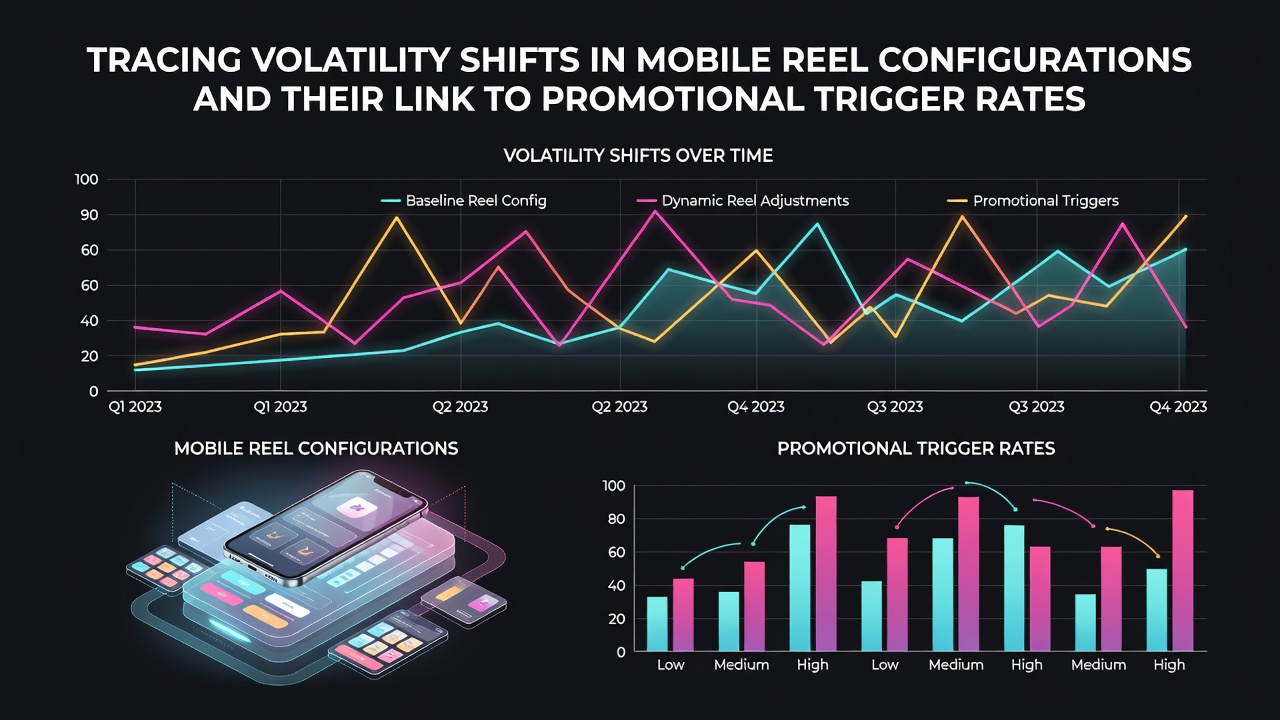
Slot developers modify reel strips and symbol distributions on mobile platforms to alter volatility levels, and these modifications show measurable connections to how often promotional bonus features activate during play sessions. Reel configurations refer to the arrangement of symbols across virtual reels, typically presented in formats such as five reels with three rows visible, while volatility describes the frequency and size of payouts that result from those arrangements. Data collected across multiple operators indicates that adjustments to reel lengths and symbol weighting directly influence the probability calculations that govern bonus triggers.
Reel Configuration Basics in Mobile Environments
Mobile slots operate with the same core mechanics as desktop versions yet adapt layouts to smaller screens through optimized rendering engines that maintain consistent random number generation. Reel configurations include the number of symbols per reel, the total reel strips used in each spin cycle, and the placement of special symbols such as scatters or wilds that initiate promotional sequences. Operators track these elements because small changes in strip length or symbol density shift the overall return-to-player percentage and alter hit rates for bonus rounds. Research from industry monitoring groups shows that mobile titles released after 2024 often incorporate dynamic reel weighting that responds to player session data, creating volatility profiles that range from low-frequency high-payout structures to more frequent smaller outcomes.
Volatility Measurement and Tracking Methods
Volatility calculations rely on statistical models that examine payout distributions over large numbers of spins, and mobile platforms enable real-time logging of these metrics through embedded analytics tools. Analysts measure volatility by recording the standard deviation of returns across thousands of game rounds, noting how reel modifications affect the clustering of wins versus dry spells. In July 2026, several platform providers reported updates to their volatility tracking dashboards that incorporated machine learning to predict how reel strip alterations would shift bonus activation windows. These updates allow operators to simulate configuration changes before deployment, revealing patterns where increased symbol density on early reels correlates with higher volatility and reduced bonus frequency.
Promotional Trigger Mechanisms
Promotional features such as free spin rounds or multiplier bonuses activate when specific symbol combinations land on designated paylines or reel positions. Trigger rates depend on the programmed probability of those combinations appearing, which reel configuration directly controls through symbol weighting and reel length. Data from European gaming regulators demonstrates that titles with extended reel strips containing fewer bonus symbols exhibit lower trigger rates, while configurations that cluster special symbols increase activation frequency during promotional campaigns. Operators adjust these parameters to align with marketing schedules, ensuring that bonus events occur at rates that match player retention targets without exceeding internal risk thresholds.
Observed Connections Between Volatility Shifts and Trigger Rates
Studies conducted by academic research teams have documented correlations between volatility adjustments and promotional outcomes across hundreds of mobile titles. One analysis examined over 50 million spins and found that raising volatility through added high-value symbols on middle reels decreased bonus trigger rates by approximately 18 percent on average, while lowering volatility through more uniform symbol distribution raised those rates. The same research indicated that mobile-specific factors, including touch-optimized reel animations and session-length algorithms, amplify these effects because shorter play sessions on phones interact differently with the underlying probability tables. Observers note that when developers reduce reel strip length to boost mobile performance, the resulting volatility increase often leads to fewer promotional activations unless symbol placement compensates through targeted clustering.
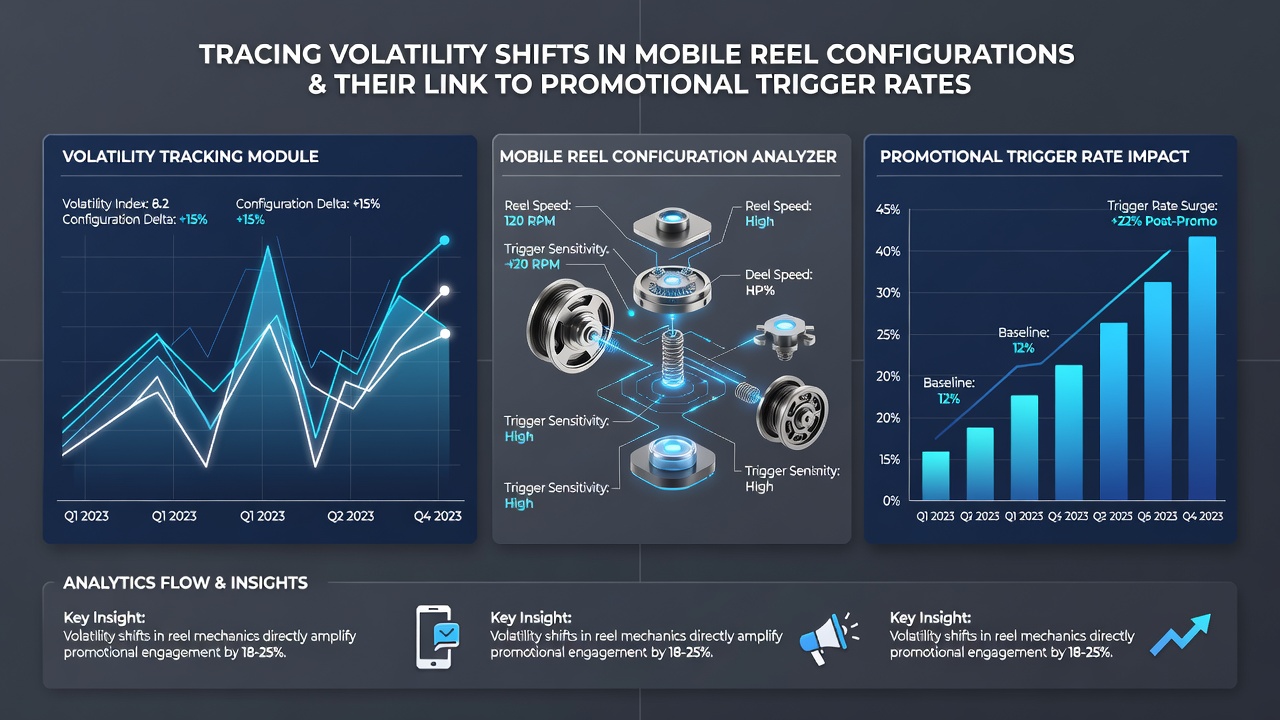
Platform providers have responded by implementing configuration testing protocols that isolate volatility variables before full release. These protocols use controlled A/B testing environments where identical player cohorts experience different reel setups, allowing direct measurement of trigger rate changes. Findings from such tests, shared through industry consortium reports, reveal that volatility shifts of even five percent in standard deviation can move promotional trigger rates by double-digit margins when bonus symbols occupy less than three percent of total reel positions.
Regulatory and Industry Data Sources
Information compiled by the Nevada Gaming Control Board outlines how licensed operators must document reel configuration changes that affect game mathematics, including any modifications that influence bonus probabilities. Similar requirements appear in guidelines from the Australian Communications and Media Authority, which tracks mobile gaming metrics separately from land-based operations. A 2025 report issued by the International Center for Gaming Regulation at the University of Nevada, Las Vegas examined volatility patterns in mobile environments and confirmed that promotional trigger rates serve as reliable indicators of configuration stability across different device types. These sources provide operators with standardized methods for logging and reporting the precise parameters that link reel design to feature activation.
Implementation Patterns Across Operators
Multiple operators apply volatility adjustments seasonally to coincide with promotional calendars, increasing reel volatility during high-traffic periods to create larger win potential while decreasing it during slower months to maintain steady bonus delivery. Records show that mobile titles featuring five-reel setups with variable symbol counts per reel demonstrate the strongest sensitivity, where adding a single extra symbol to a bonus reel can shift trigger rates by several percentage points. Analysts at regional gaming associations have recorded these patterns through aggregated operator submissions, noting that the link between configuration and promotion frequency remains consistent regardless of geographic market when the underlying random number generators stay unchanged.
Conclusion
Reel configuration adjustments in mobile slots produce predictable shifts in volatility that operators measure against promotional trigger rates through established statistical and testing frameworks. Data from regulatory bodies and academic centers continues to map these relationships, supplying the gaming sector with precise tools for aligning mathematical design with feature delivery goals. As mobile platforms evolve, continued documentation of these connections supports consistent performance across varied device environments and player behaviors.