How Verification Timelines Influence Layered Incentives in Device-Based Gaming Ecosystems
Written by Yves Washington · Jun 2, 2026
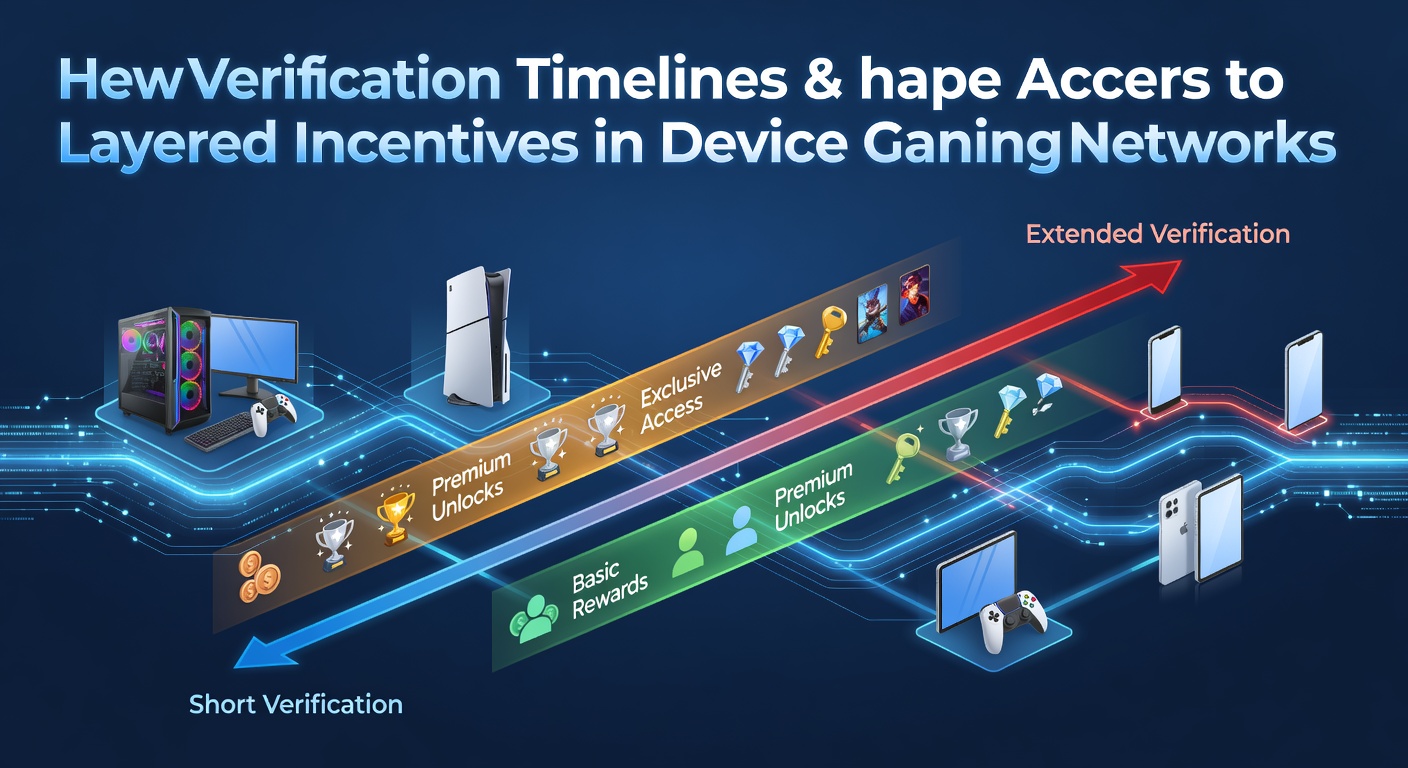
How Verification Timelines Influence Layered Incentives in Device-Based Gaming Ecosystems
Device-based gaming networks rely on verification timelines to control when players gain access to layered incentives, and these processes determine eligibility for bonuses, loyalty rewards, and progressive features across mobile, console, and desktop platforms. Regulatory frameworks in multiple jurisdictions require identity checks before users unlock full incentive structures, which creates distinct access patterns depending on how quickly platforms complete reviews.
Core Mechanisms of Verification in Gaming Networks
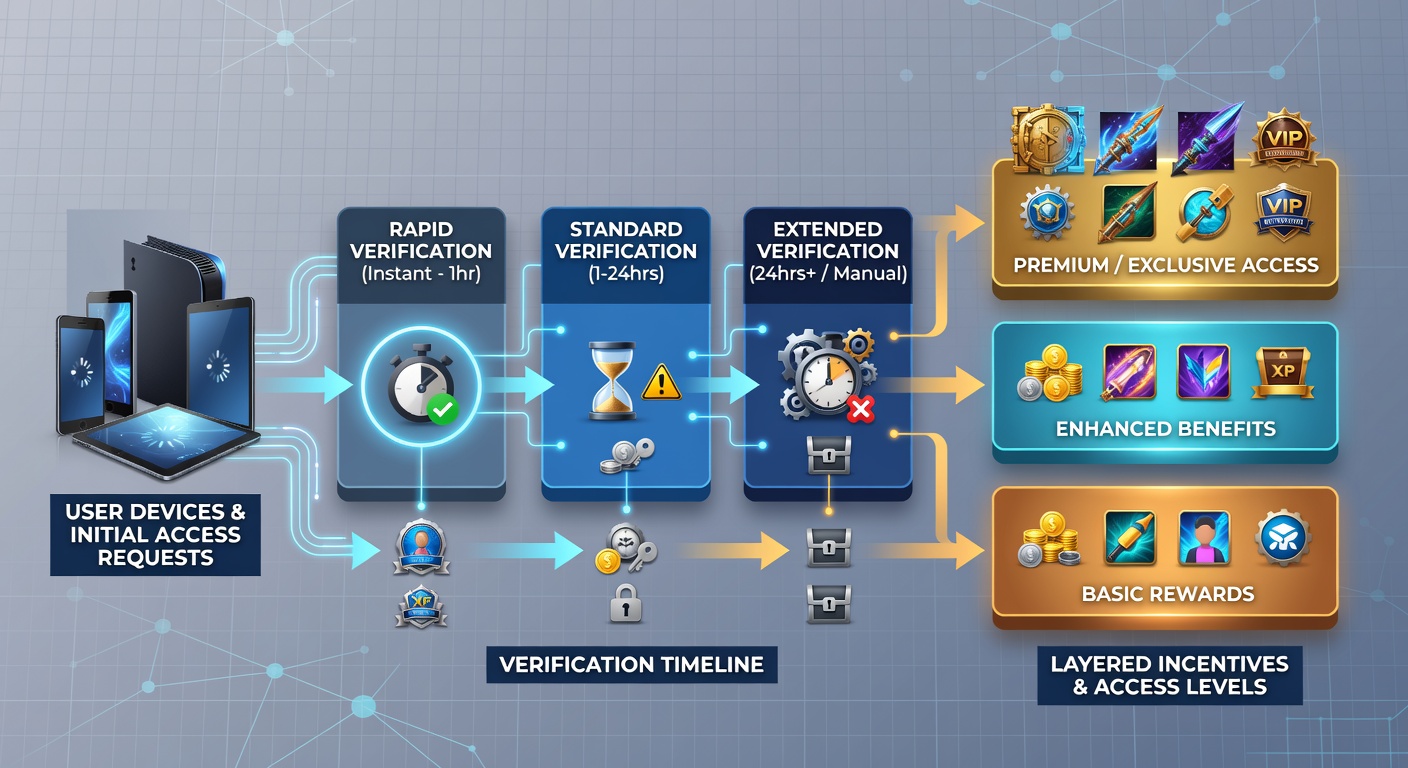
Verification begins with document submission and extends through automated checks plus manual reviews in many cases, while platforms integrate data from payment providers and device identifiers to confirm user details. Research from the University of Nevada's International Gaming Institute shows average completion times range from several hours for automated systems to multiple business days when additional documentation is needed, and these durations directly gate entry to initial deposit matches as well as ongoing loyalty tiers.
Layered incentives often stack welcome offers with daily login rewards and device-specific bonuses, yet access remains restricted until verification clears. Data from the Australian Communications and Media Authority indicates that delays beyond 48 hours correlate with reduced engagement in the first week of account creation, whereas faster processes allow players to participate in progressive jackpot pools sooner.
Impact on Mobile and Cross-Device Access Patterns
Mobile networks process verifications through app-based uploads and biometric confirmations, which can shorten timelines compared to console ecosystems that depend more on account linking and third-party payment validations. Observers note that players on smartphones frequently reach layered rewards within one day when systems employ real-time AI screening, but console users sometimes wait longer because hardware authentication adds sequential steps.
June 2026 brought updated compliance requirements in several North American markets that emphasize device fingerprinting, and these changes extended verification windows for some networks while accelerating them for others with pre-approved payment histories. Figures reveal that networks using unified cross-device profiles reduced average delays by 30 percent compared to siloed systems, allowing broader participation in incentive layers tied to play frequency and deposit volume.
Regional Regulatory Influences on Timelines
Canadian provincial regulators enforce verification standards that prioritize financial source checks before progressive incentives activate, and this approach creates longer initial access periods than those seen in European markets with lighter upfront requirements. Industry reports from the European Gaming and Betting Association highlight how standardized electronic ID systems in select countries cut verification to under four hours on average, which in turn expands immediate eligibility for multi-tier loyalty programs.
Networks operating across borders must reconcile these differences, and synchronization challenges often result in temporary holds on device-specific bonuses until all regional criteria align. Those who've studied platform data observe that users who complete verification early in the account lifecycle maintain higher retention rates across incentive layers, particularly when mobile and desktop profiles sync without additional delays.
Technical Factors Shaping Access Speed
Algorithmic scoring of submitted documents determines whether verification proceeds automatically or requires human intervention, and networks with higher automation rates grant faster entry to layered rewards. Device-based identifiers such as IP consistency and hardware tokens further refine these scores, which reduces false positives and shortens overall timelines for returning players.
Payment method integration plays a central role as well, since instant verification through established digital wallets bypasses some manual steps that traditional bank transfers trigger. Studies indicate that platforms prioritizing these integrations see measurable increases in players reaching secondary incentive tiers within the same session, whereas slower methods delay access until subsequent logins.
Conclusion
Verification timelines serve as gatekeepers that shape when and how users access layered incentives throughout device-based gaming networks, and their effects extend across mobile, console, and desktop environments. Regulatory variations and technical implementations continue to influence completion speeds, which in turn affects participation patterns in bonuses and loyalty structures. Data collected through mid-2026 underscores the ongoing relationship between verification efficiency and incentive accessibility across these ecosystems.