Global Trends in Cryptocurrency Usage for Digital Gaming Transactions
Written by Yves Washington · Aug 18, 2026
Global Trends in Cryptocurrency Usage for Digital Gaming Transactions
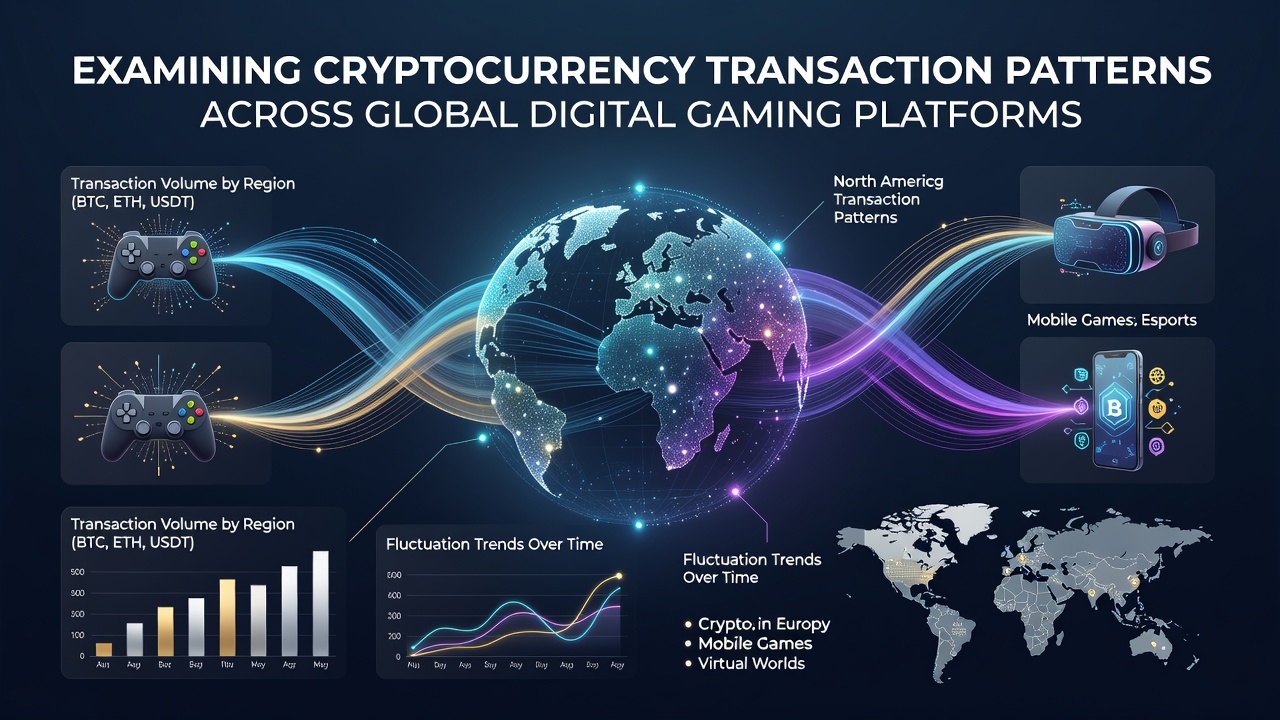
Data from multiple regions shows cryptocurrency transactions on digital gaming platforms have grown steadily through 2025 and into August 2026, with platforms in Asia and Europe recording the largest volumes according to industry tracking services. Bitcoin and Ethereum remain the dominant assets, yet stablecoins such as USDT and USDC now account for a rising share of deposits and withdrawals because they reduce exposure to price swings during gameplay sessions.
Adoption Patterns Across Regions
Platforms operating in Southeast Asia report that over 35 percent of total transaction value in the first half of 2026 arrived via cryptocurrency wallets, a figure drawn from aggregated platform disclosures. European operators show lower but still significant adoption rates around 18 percent, while North American sites that accept crypto hover near 12 percent of payment volume. Observers note that regulatory clarity in places like Malta and Singapore has encouraged faster integration compared with jurisdictions where licensing rules remain fragmented.
Transaction timing data reveals clear daily and weekly rhythms. Activity spikes occur between 20:00 and 02:00 local time in major markets, and weekend volumes consistently exceed weekday figures by 40 to 60 percent. These patterns align with peak gaming hours rather than traditional banking schedules, allowing 24-hour settlement that conventional payment rails cannot match.
Technical Characteristics of Crypto Flows
Wallet analysis conducted by blockchain analytics firms indicates that most gaming-related transfers use addresses created specifically for platform interaction rather than long-term holdings. Average deposit sizes range between 50 and 250 USD equivalent, while withdrawal amounts tend to cluster around 150 to 400 USD. The median confirmation time for deposits sits under 15 minutes on networks supporting low-fee layers, although Ethereum mainnet transfers during congestion can stretch beyond an hour.

Privacy features such as mixers and privacy coins appear in less than 8 percent of traced flows connected to licensed platforms, according to reports published by the Australian Communications and Media Authority. Most users rely on transparent public ledgers, which allows platforms to implement compliance checks without additional tooling. Multi-signature wallets and automated payout scripts have become standard among larger operators to manage risk and speed up processing.
Regulatory and Compliance Developments
Government agencies in Canada and Australia have issued updated guidance in early 2026 requiring platforms to maintain transaction records for at least five years and to flag transfers above certain thresholds. These rules mirror earlier frameworks already in place under the Malta Gaming Authority, creating a degree of convergence across borders. Platforms that fail to meet reporting standards face license reviews, and several operators have adjusted their crypto acceptance lists to exclude higher-risk assets.
Academic studies from research teams at the University of Sydney and the Technical University of Munich have examined on-chain clustering techniques that group addresses belonging to the same gaming service. Their findings, released in mid-2026, demonstrate that clustering accuracy exceeds 85 percent when combining timing metadata with known deposit addresses, providing regulators with practical monitoring tools.
Emerging Platform Features
Some platforms now embed non-custodial wallet connections that let users retain private keys until withdrawal requests are confirmed. This approach reduces custodial risk yet requires additional user education around seed phrase management. Layer-2 solutions and sidechains appear on roughly one-quarter of new integrations, cutting fees by up to 90 percent compared with base-layer transfers and enabling smaller in-game purchases that were previously uneconomical.
Cross-platform aggregation services have started offering unified dashboards that track balances across multiple gaming sites using a single crypto wallet. These tools pull public blockchain data and combine it with API feeds from participating operators, giving users a consolidated view without moving funds through an intermediary exchange each time.
Conclusion
Transaction pattern analysis through August 2026 shows cryptocurrency has moved from experimental add-on to established payment rail within the global digital gaming sector. Volume growth, regional regulatory alignment, and technical improvements in speed and cost all point to continued expansion. Future monitoring will likely focus on stablecoin dominance, cross-border compliance standards, and the effectiveness of clustering methods employed by oversight bodies.