Casino Software Evolution and Its Influence on Slot Evaluation Data Through the Years
Written by Yara Wolf · Aug 4, 2026
Casino Software Evolution and Its Influence on Slot Evaluation Data Through the Years
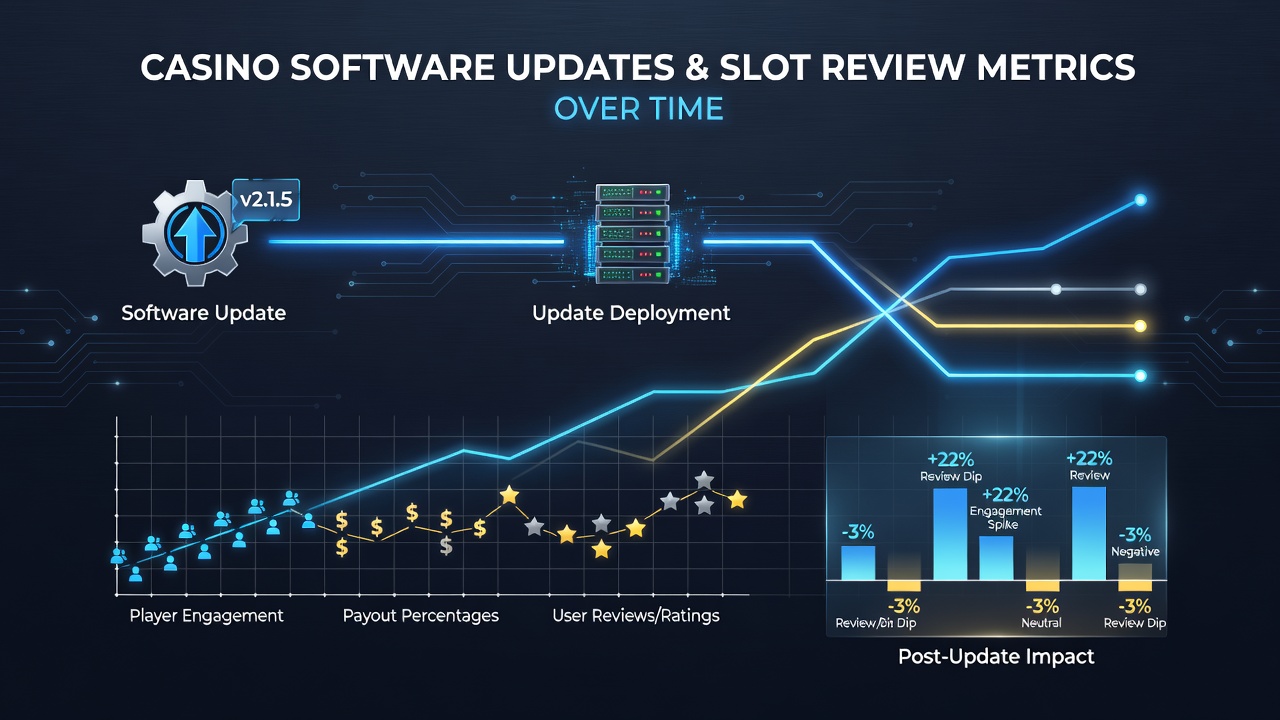
Software developers release regular updates to casino platforms, and these changes directly alter the data points that appear in slot reviews over extended periods. Metrics such as reported return-to-player percentages, bonus trigger frequencies, and session length averages shift when code adjustments modify game engines, random number generators, or user interface elements. Observers note that platforms running on systems from providers like NetEnt or Microgaming have documented measurable differences in these figures following major version releases.
Updates often target backend calculations first, which means review sites record variations in volatility indices and hit rates without any visible change to the game graphics. Data from multiple tracking services shows that a single optimization patch can adjust the distribution of small wins versus large payouts, and analysts compile these shifts into yearly comparisons. Those who monitor long-term trends find that review aggregates from 2023 through 2025 already reflect cumulative effects from successive updates rather than isolated events.
Platform-Level Changes and Metric Tracking
Core platform updates frequently involve server-side adjustments that affect how games load and perform across devices, which in turn influences mobile-specific metrics such as spin completion times and crash rates. Researchers tracking these elements report that faster loading sequences correlate with higher average session durations in review datasets compiled after each rollout. The reality is that reviewers rely on aggregated player logs to calculate these statistics, so any modification to data transmission protocols appears in the published numbers within weeks.
Integration of new compliance tools, including enhanced responsible gaming features, also modifies engagement metrics. For instance, mandatory session reminders introduced in certain jurisdictions during 2025 produced measurable drops in continuous play averages when compared against prior year figures. Figures from regulatory submissions in Pennsylvania and Ontario illustrate how these interventions register in third-party review summaries without altering the underlying game mathematics.
Game-Specific Updates and Review Adjustments
Individual slot titles receive patches that refine reel weights, add new symbols, or recalibrate feature probabilities, and review platforms respond by updating their evaluation tables accordingly. Studies of changelog histories reveal that even minor tweaks to free-spin multipliers can shift reported bonus round frequencies by several percentage points over a six-month window. People who compile multi-year datasets observe that titles receiving quarterly updates show more variance in their listed RTP values than static releases.
Graphics and animation enhancements rarely change mathematical outcomes, yet they influence qualitative metrics such as user satisfaction scores that accompany quantitative data in comprehensive reviews. When developers introduce improved particle effects or smoother transitions in 2026 updates, engagement indicators like replay rates often rise in subsequent reporting periods. One analysis of post-update performance logs from Australian operators demonstrated consistent upticks in these secondary metrics following visual refreshes.
Regulatory Influences on Update Cycles
Regional authorities require certification of updated software before deployment, which creates predictable intervals between metric shifts in public reviews. The Nevada Gaming Control Board maintains records of approved modifications, and cross-referencing these approvals with review archives shows clear alignment between certification dates and subsequent data revisions. Similar patterns appear in reports issued by the Alcohol and Gaming Commission of Ontario, where update timelines directly precede observable changes in published statistics.
Industry organizations such as the European Gaming and Betting Association publish aggregated findings on how compliance-driven updates affect operational metrics across member platforms. These reports indicate that synchronization of random number generator versions across multiple jurisdictions produces synchronized movements in review metrics during the same calendar quarters. Observers tracking these patterns note that the August 2026 reporting cycle already incorporates effects from mid-year certification waves.
Long-Term Data Patterns
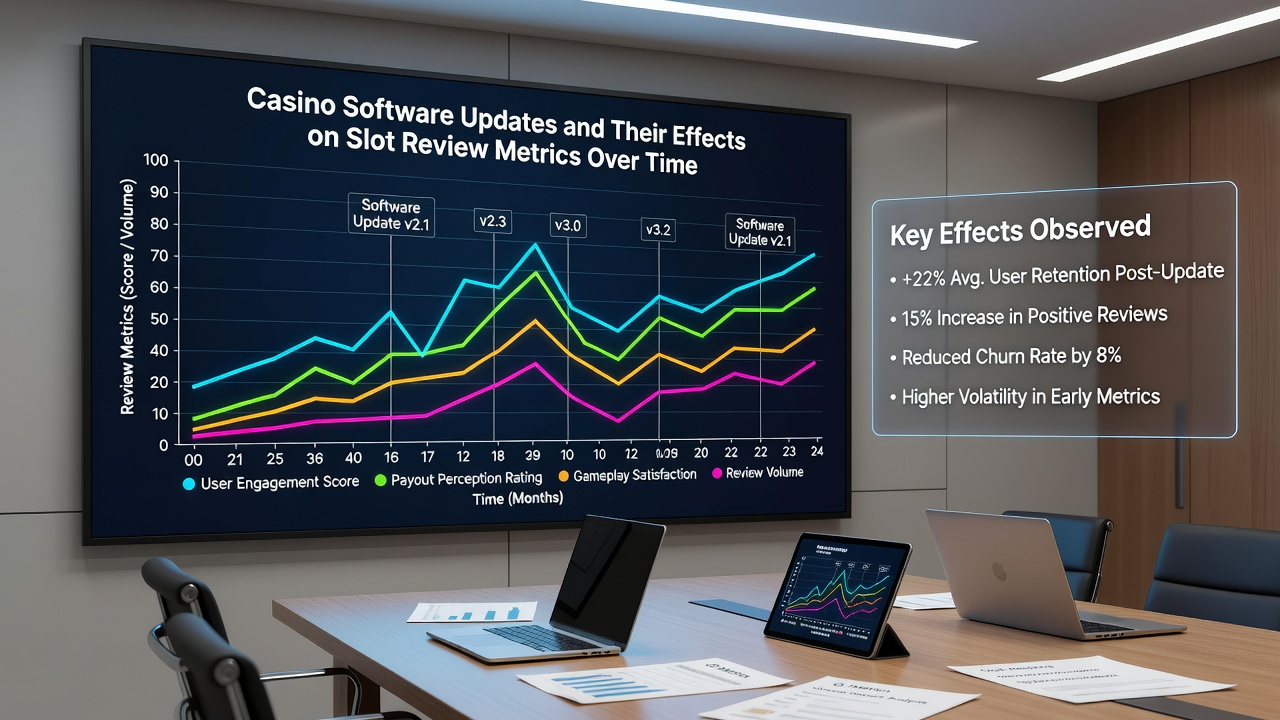
Multi-year comparisons demonstrate that platforms undergoing frequent updates exhibit steadier metric trajectories than those with infrequent releases, because incremental changes prevent large single-point deviations. Review aggregators that maintain historical databases reveal gradual compression of volatility ranges following repeated optimization cycles. Academic examinations of casino data streams further confirm that cumulative small adjustments produce different statistical profiles than infrequent large-scale overhauls.
Payment integration updates, including revised transaction protocols, additionally affect withdrawal speed metrics that often appear alongside game performance data in slot reviews. When these backend systems receive attention, average processing times documented in review sections decline measurably, and operators submit updated figures to maintain accuracy. Cross-border comparisons show similar timing between technical patches and revised statistics across different regulatory environments.
Conclusion
Software updates continue to reshape the numerical foundation of slot reviews through direct modifications to game logic, interface performance, and compliance mechanisms. Tracking these effects requires consistent comparison of pre- and post-update datasets across extended timeframes. Regulatory records and industry reports provide the necessary reference points for understanding how successive changes accumulate into observable metric trends by late 2026 and beyond.